Guide
Office lighting that follows how the space is used
Why lights stay on in empty rooms, and how zoning, presence detection and daylight dimming cut energy use without hurting comfort.
· 1 min read
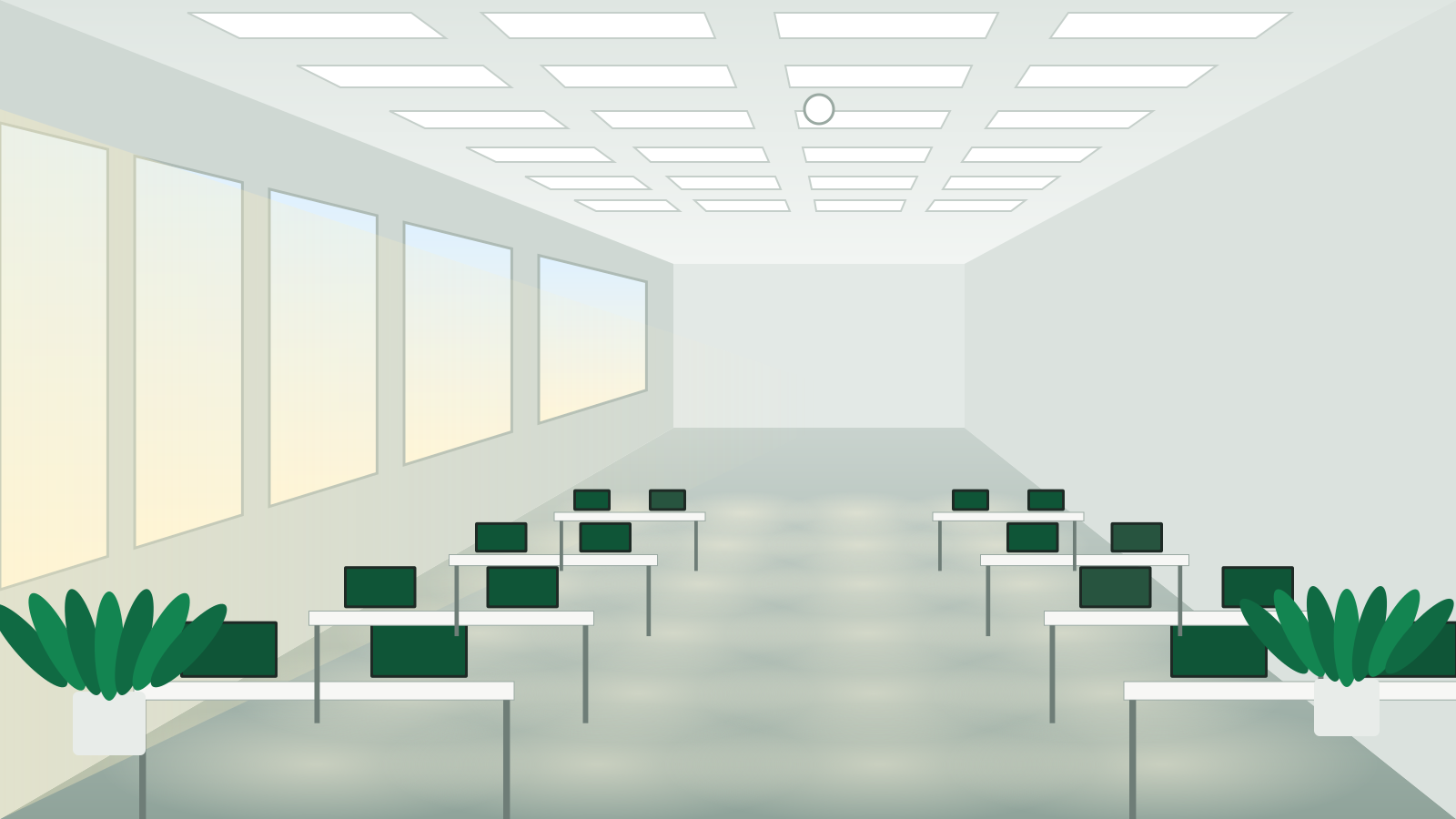
Walk through most office floors in the evening and you'll find meeting rooms lit with nobody in them, perimeter desks at full brightness next to bright windows, and store rooms left on since the morning. None of it is dramatic, but across a year it adds up to a large share of the electricity bill.
Why it happens
- Lighting was zoned for a previous tenant and never changed after a fit-out.
- Meeting rooms and breakout spaces share circuits with open-plan areas.
- Presence detectors have been overridden, or set with very long timeouts.
- Perimeter luminaires have no daylight sensing, so they ignore the natural light.
- Schedules in the BMS or lighting controller no longer match working hours.
Start with a survey
A good lighting upgrade starts by understanding the space: which areas are used heavily, which are used occasionally, where daylight reaches, and what infrastructure the landlord already provides. Photometric modelling and energy estimates then show what each control option would save before any money is spent.
Strategies that work
- Zoned lighting with presence detection for meeting rooms and high-use areas.
- Daylight dimming on perimeter workstations, so luminaires dim as natural light rises.
- Lower ambient levels with task lighting in breakout areas.
- Short-timeout PIR switching in stores, plant cupboards and other low-use spaces.
- DALI scenes for meeting rooms, and schedules or presence-based overrides for shared circulation.
Don't forget comfort
Energy savings shouldn't come at the cost of the people using the space. LED luminaires with good colour rendering, colour temperatures suited to the task, and proper glare control around screens and meeting tables keep the space comfortable while the controls do the saving.
Finally, commissioning matters. Controls that are installed but never tuned to how occupants actually use the space rarely deliver the savings on paper. A proper handover, with clear instructions and performance data, keeps the benefits going.